✴︎Added to Archive|Solo Exhibition
「Transparent Gravity」Edit Room, Tokyo | 2026. 07.29— 08. 29
アーカイブ追加: 「透明な重力について」Edit Room, 東京 | 2026. 07.29— 08. 29
✴︎Upcoming Solo Exhibition |2026 winter, Tokyo (TBA)
Solo Exhibition | 2026年夏 冬、東京(詳細後日)
✴︎ Interview | 2026. 03. 22
“Facing the World through Materials: Behind the Scenes of Curation” — Interview with Masaaki Irizawa & Akira Aoki
インタビュー:マテリアルを通して世界と向き合う4作家、その選定とキュレーションの舞台裏――入澤聖明&青木彬 〈Link〉
✴︎ Award | 2026. 02. 13
The 17th I-shi Award for Fostering Emerging Artists, Grand Prize
第17回 岡山県新進美術家育成「I氏賞」大賞
「Transparent Gravity」Edit Room, Tokyo | 2026. 07.29— 08. 29
アーカイブ追加: 「透明な重力について」Edit Room, 東京 | 2026. 07.29— 08. 29
✴︎Upcoming Solo Exhibition |2026 winter, Tokyo (TBA)
Solo Exhibition | 2026年夏 冬、東京(詳細後日)
✴︎ Interview | 2026. 03. 22
“Facing the World through Materials: Behind the Scenes of Curation” — Interview with Masaaki Irizawa & Akira Aoki
インタビュー:マテリアルを通して世界と向き合う4作家、その選定とキュレーションの舞台裏――入澤聖明&青木彬 〈Link〉
✴︎ Award | 2026. 02. 13
The 17th I-shi Award for Fostering Emerging Artists, Grand Prize
第17回 岡山県新進美術家育成「I氏賞」大賞
𖤣 Interview | 2024. 02. 14
“Painting with Urushi: Where Craft and Painting Intersect” — Interviewer: Hiroki Yamamoto
インタビュー:「漆と絵を描く、工芸と絵画の交わるところで」 聞き手:山本浩貴 〈Link〉
✴︎ New exhibition added 2026. 03. 18
“Painting with Urushi: Where Craft and Painting Intersect” — Interviewer: Hiroki Yamamoto
インタビュー:「漆と絵を描く、工芸と絵画の交わるところで」 聞き手:山本浩貴 〈Link〉
✴︎ New exhibition added 2026. 03. 18
News
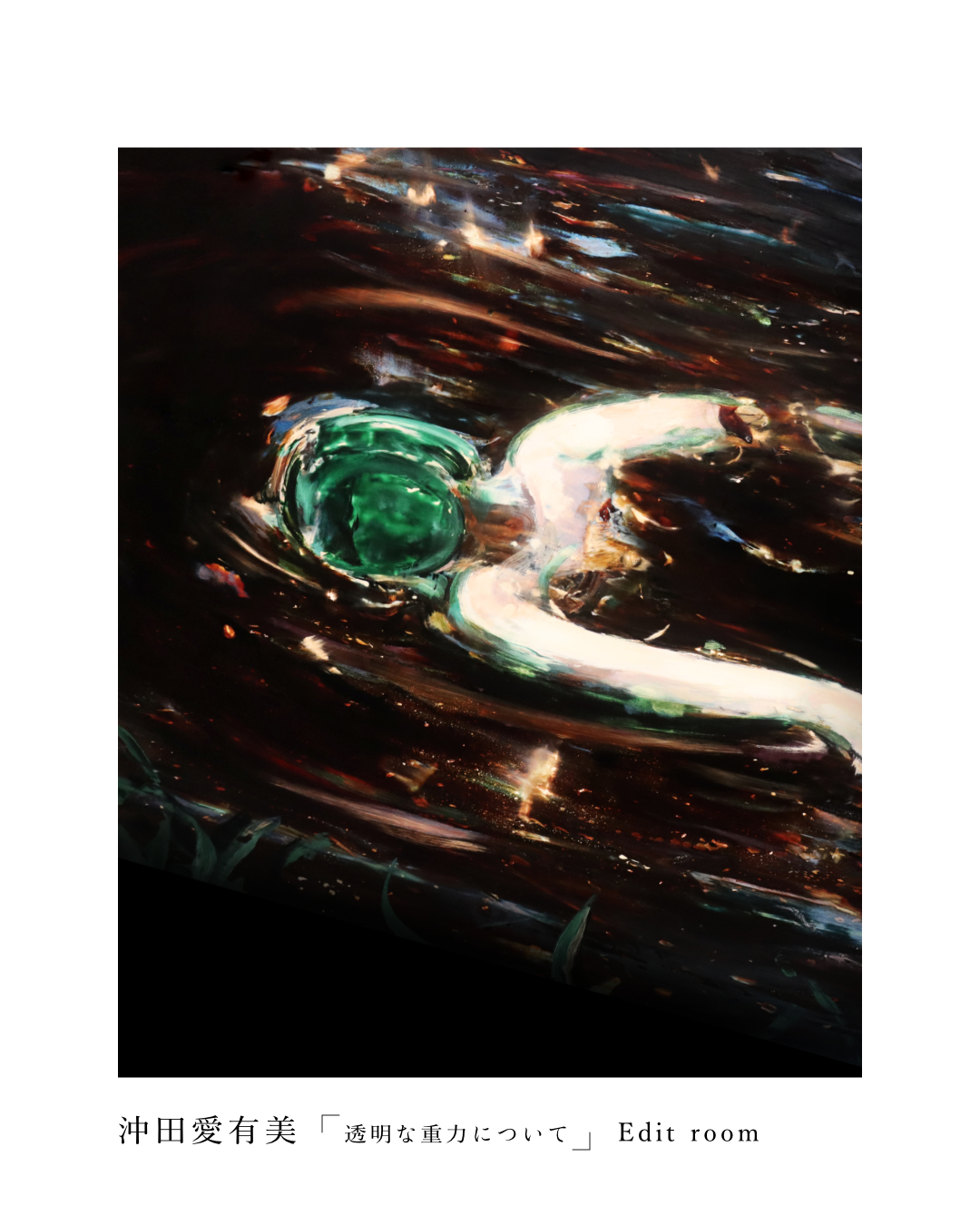
沖田愛有美 「透明な重力について」 [Solo]
| 会期/ | 2026年7月29日(水)– 8月29日(土) |
| 会場時間/ | 14:00 – 20:00 |
| 休廊日/ | 日・月・火曜日 |
| 入場/ | 無料 |
| 会場/ | Edit room|東京都港区西麻布 1-1-3 1F |
| URL / | note.com/editroom |
| 問い合わせ/ | editroom@anri.vc |
-scaled.jpg)
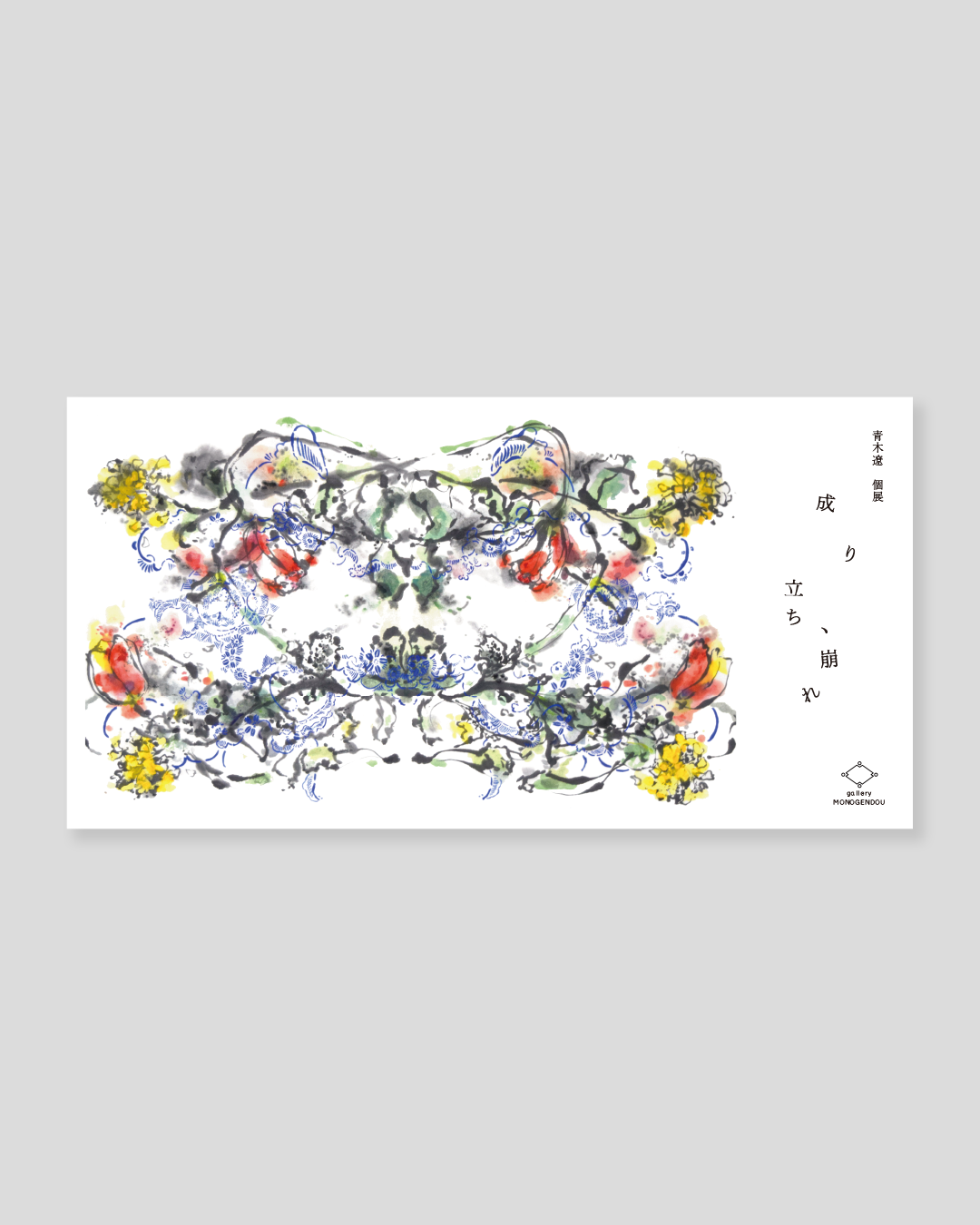
青木遼 個展「成り立ち、崩れ」関連トークイベント [Talk]
| 日時/ | 2026年3月20日(金祝)18:30 – 20:00 |
| 出演/ | 青木遼、宮崎竜盛(本展企画者) |
| ゲスト/ | ゲスト:沖田愛有美(作家・研究者) |
| 料金/ | 500円(1ドリンク付) |
| 定員/ | 10名 |
| 会場/ | モノゲン堂・珈琲(金沢) |
| URL / | https://www.instagram.com/p/DWDKAx9CTe9 |
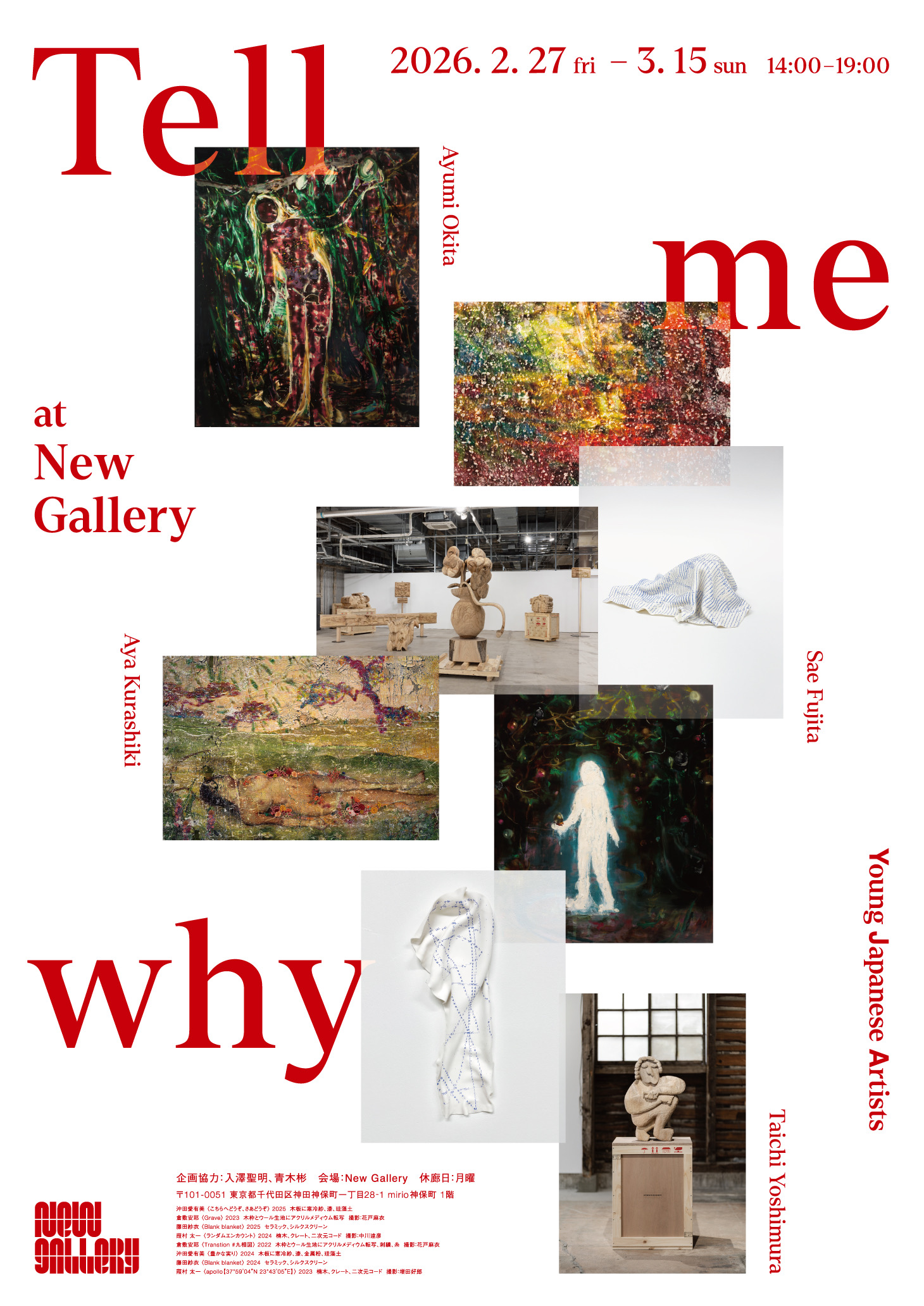
Tell me why [group]
| 会期/ | 2026年2月27日(金)- 2026年3月15日(日) オープニングレセプション:2月27日(金)19:00 – 20:00 |
| 開廊時間/ | 14:00 〜 19:00 |
| 休廊日/ | 月曜休廊 |
| 出展作家/ | 沖田愛有美、倉敷安耶、藤田紗衣、葭村太一 |
| 企画協力/ | 入澤聖明(愛知県陶磁美術館 学芸員)、青木彬(インディペンデントキュレーター) |
| デザイン/ | 鈴木晴奈(Design Studio hare) |
| 入場料/ | 無料 |
| 会場/ | New Gallery|東京都千代田区神田神保町1-28-1 mirio神保町 1階 |
| URL / | https://newgallery-tokyo.com/tellmewhy |
| 主催/ | New Gallery |
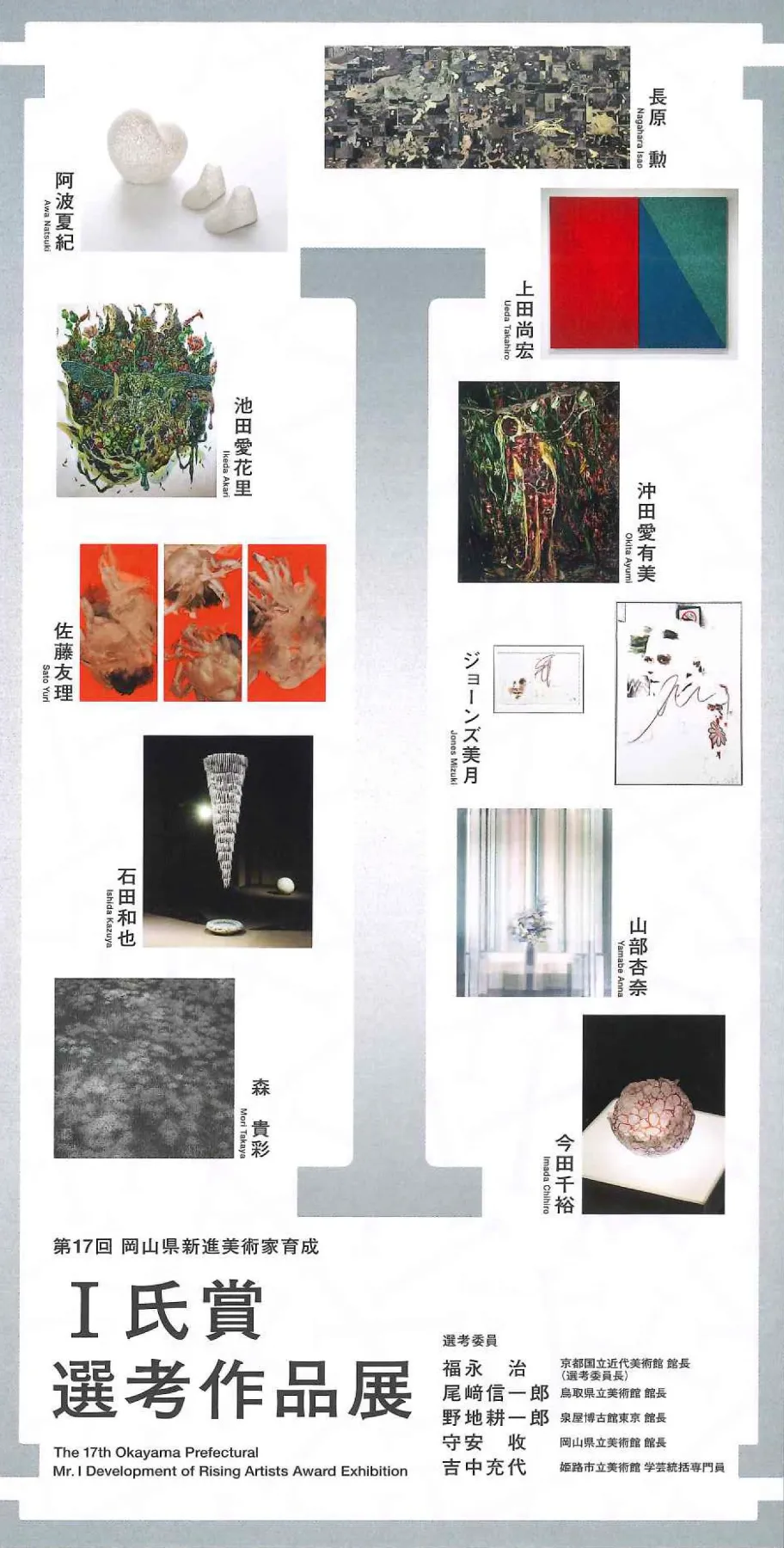
第17回 岡山県新進美術家育成「I氏賞」選考作品展
| Date/ | 2026年1月13日(火)〜1月25日(日) |
| Time/ | 9:00 〜 17:00 ※1月14日(水)は12:00まで、最終日は16:00まで |
| Close/ | 1月19日(月) |
| Place/ | 岡山県天神山文化プラザ 第3展示室 〒700-0814 岡山県北区天神町8-54 |
| Web / | https://tenplaza.info/event/3S_19M41 |
Past Exhibitions
2025.12
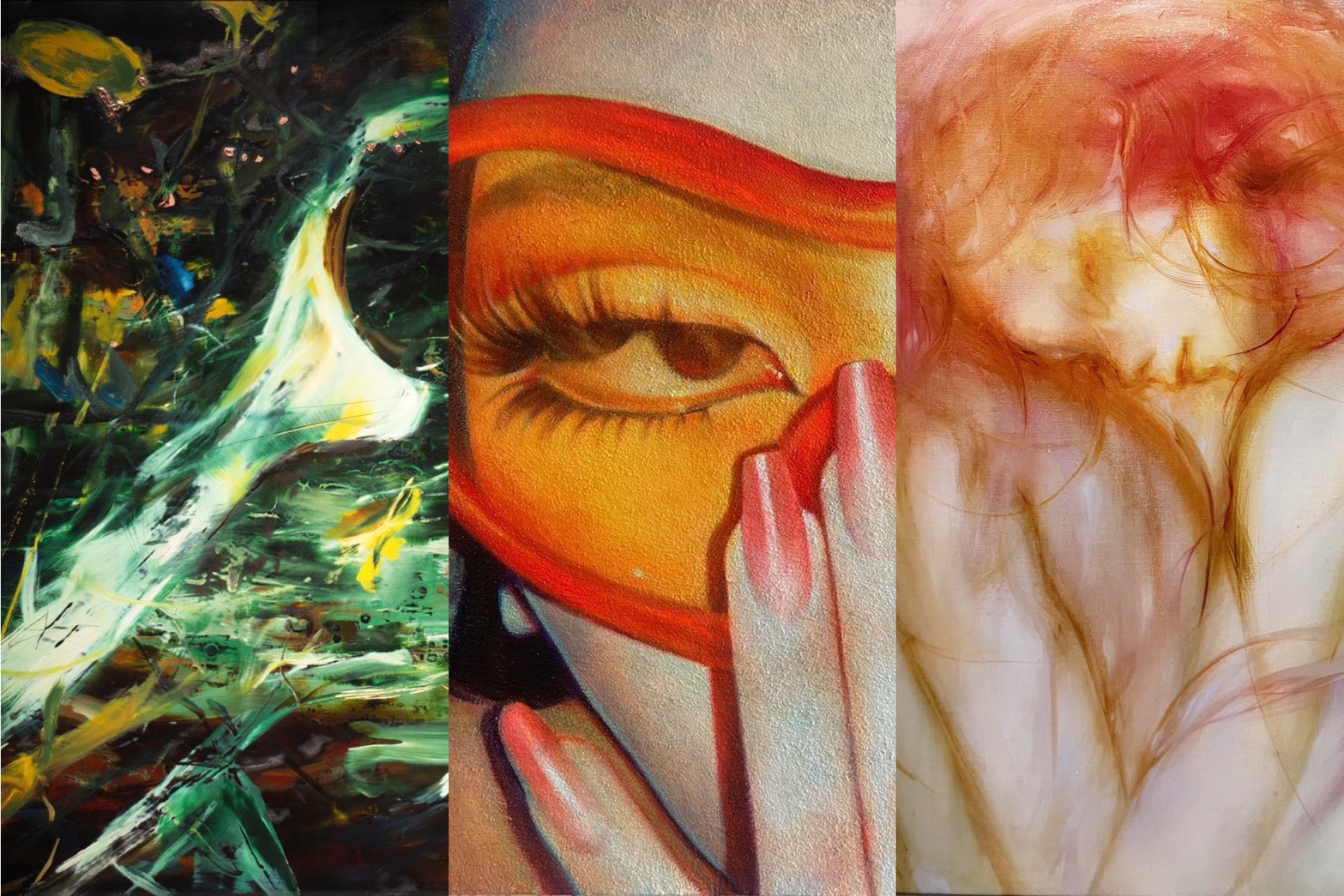
Whiteout [Group]
沖田愛有美 坂本那々莉 髙野詩音 「Whiteout」VACANT ROOM
| Date/ | 2025年12月20日(土)〜2月1日(日) 展示替え:前期12月20日〜1月17日, 後期1月18日〜2月1日 ※12月29日から1月9日は冬季休業 |
| Time/ | 13:00 〜 19:00(木—日) |
| Close/ | 月曜日(火・水は予約制) |
| Place/ | VACANT ROOM 〒150-0002 東京都渋谷区渋谷4丁目3−6 B1F |
| Web / | https://vacant-room.com/exhibitions/whiteout |
2025.12
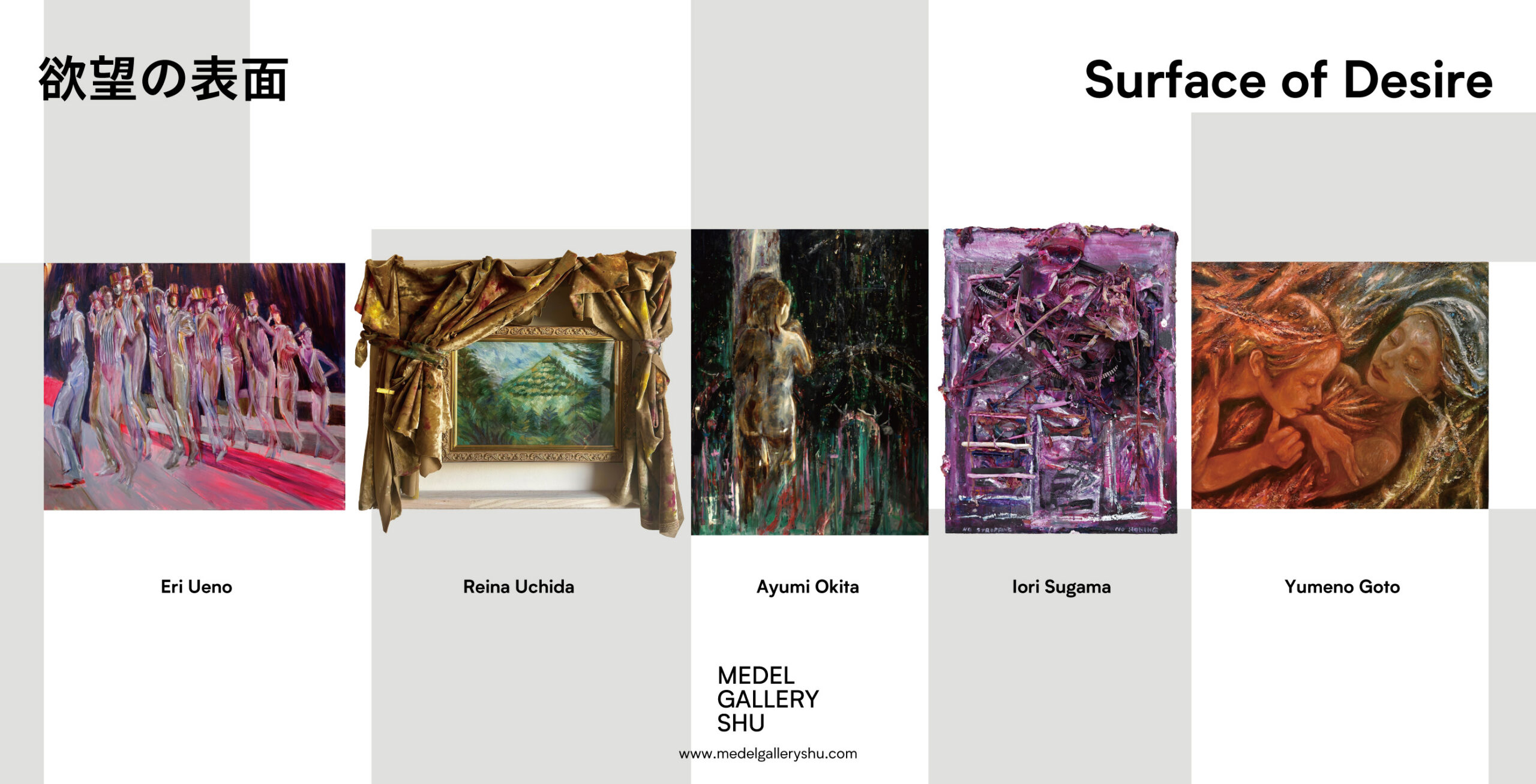
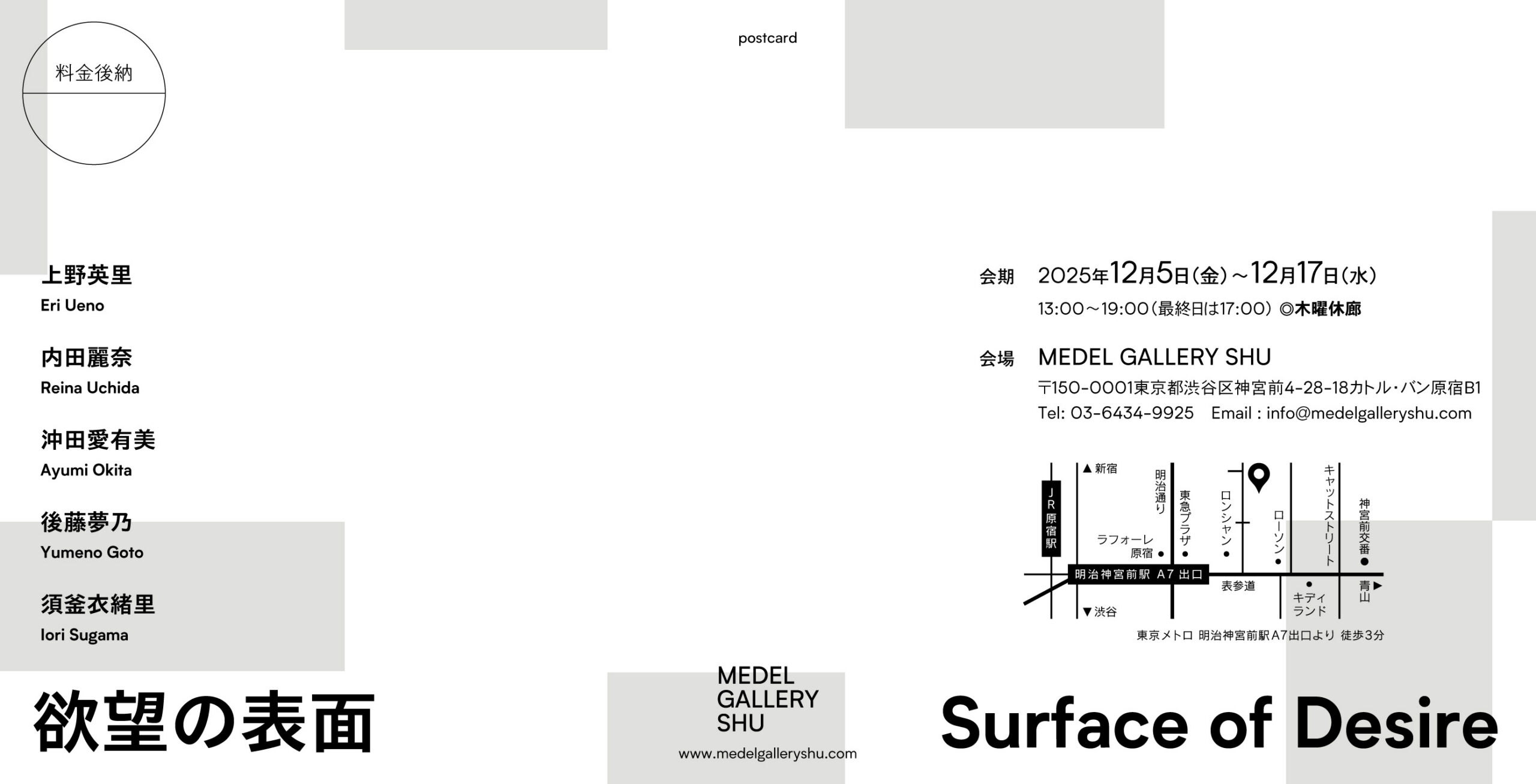
欲望の表面 – Surface of Desire
[Group]
「欲望の表面 - Surface of Desire」MEDEL GALLERY SYU
| Date/ | 2025年12月5日(金)〜12月17日(水) 13:00 〜 19:00 最終日は17:00まで ※休館・木曜日 |
| Place/ | MEDEL GALLERY SHU OMOTESANDO 〒150-0001 東京都渋谷区神宮前 4-28-18 カトル・バン原宿 B1 |
| Web/ | https://medelgalleryshu.com/exhibition/surface-of-desire-december-5-17-2025/ メディア掲載/ information |
2025.12
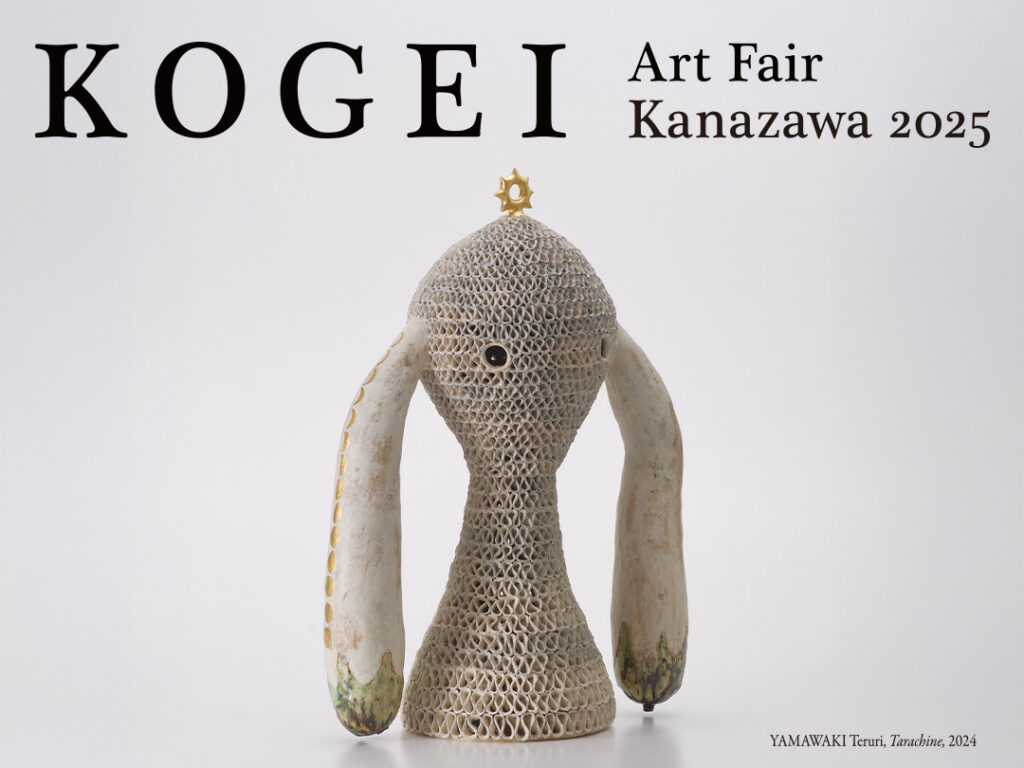
KOGEI Art Fair Kanazawa 2025
[faire]
「KOGEI Art Fair Kanazawa 2025」小山登美夫ギャラリー(ゲスト)・gallerìa PONTE
| Date/ | 2025年11月28日(金) VIPプレビュー(招待者限定) 13:00~19:00(最終入場18:30) 2025年11月29日(土) 一般公開 11:00~19:00(最終入場18:30) 2025年11月30日(日) 一般公開 11:00~18:00(最終入場17:30) |
| Place/ | ハイアットセントリック金沢 2F, 4F, 5F(受付2F) 石川県金沢市広岡1丁目5-2 |
| Price/ | 前売り券 2,500円 / 当日券 3,000円(2日間通し券) |
| Web/ | https://kogei-artfair.jp/ |
2025.09
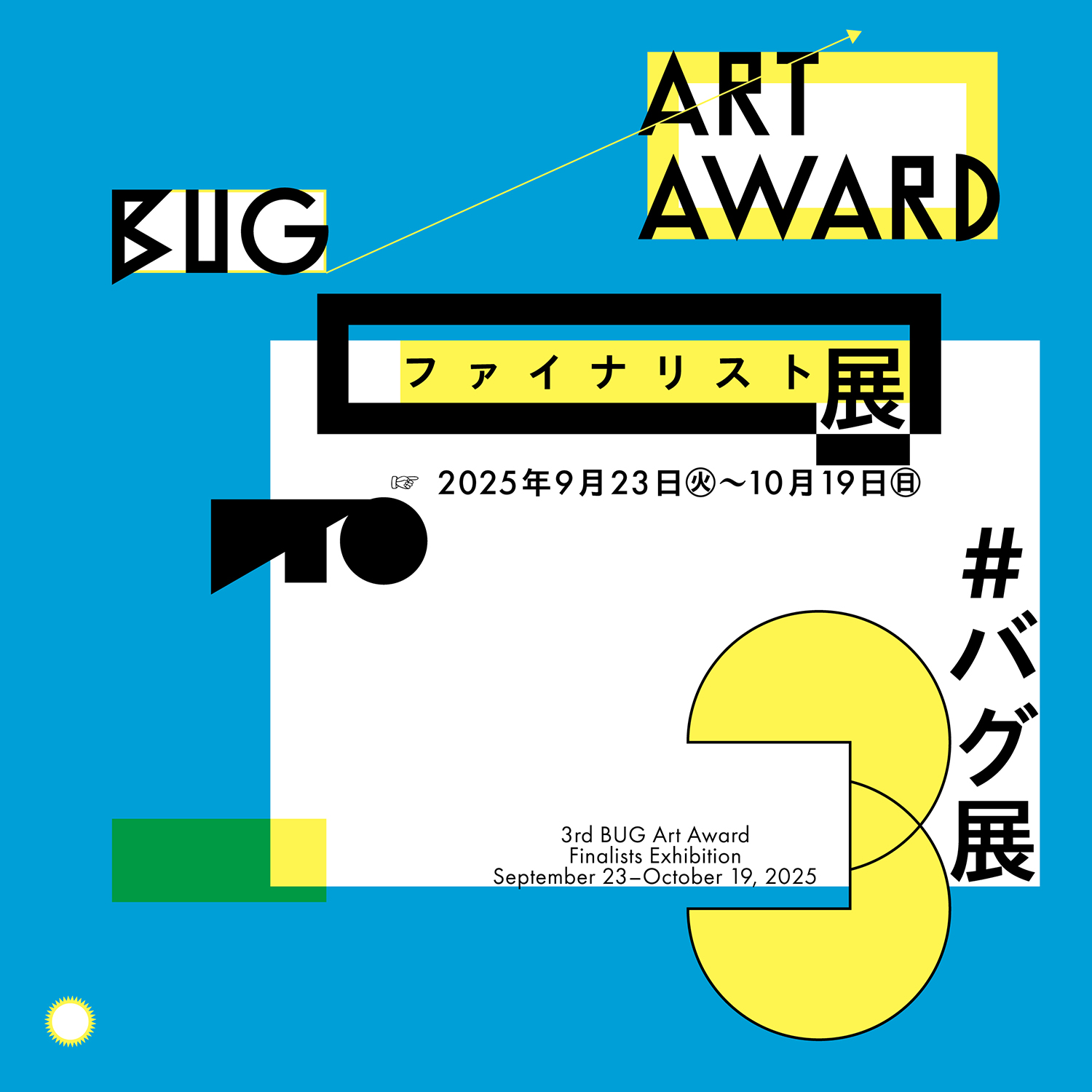
第3回BUG Art Award ファイナリスト展 [Group]
「第3回BUG Art Award ファイナリスト展 」BUG|リクルートアートセンター、東京・丸の内
| Date/ | 2025年9月23日(火・祝) — 2025年10月19日(日) 火曜休館 ※9/23は開館します。 |
| Time/ | 11:00 – 19:00 ※イベント開催時は、18時に閉館します。 |
| Price/ | 無料 |
| Place/ | BUG|リクルートアートセンター (東京都千代田区丸の内1-9-2 グラントウキョウサウスタワー1階) |
| Tour/ | 展示ツアー+ミニトーク 作品説明のほか、BUG Art Awardへの応募きっかけや、普段の制作活動についてなど、さまざまなテーマから6名を知っていただき楽しめる企画です。 日時|2025/9/24(水)及び10/18(土) 19:00~20:30 出演|沖田愛有美、徐秋成、善養寺歩由、髙橋瑞樹、吉原遼平、里央(敬称略) 参加方法|会場参加のみ 申込み | Peatixより要事前申込、参加無料(詳細はBUGのウェブサイトやSNSをご確認ください。)申込はこちらから |
| Organizer/ BUG | BUG |
| HP/ | https://bug.art/exhibition/bug-art-award-3/ |
2025.09
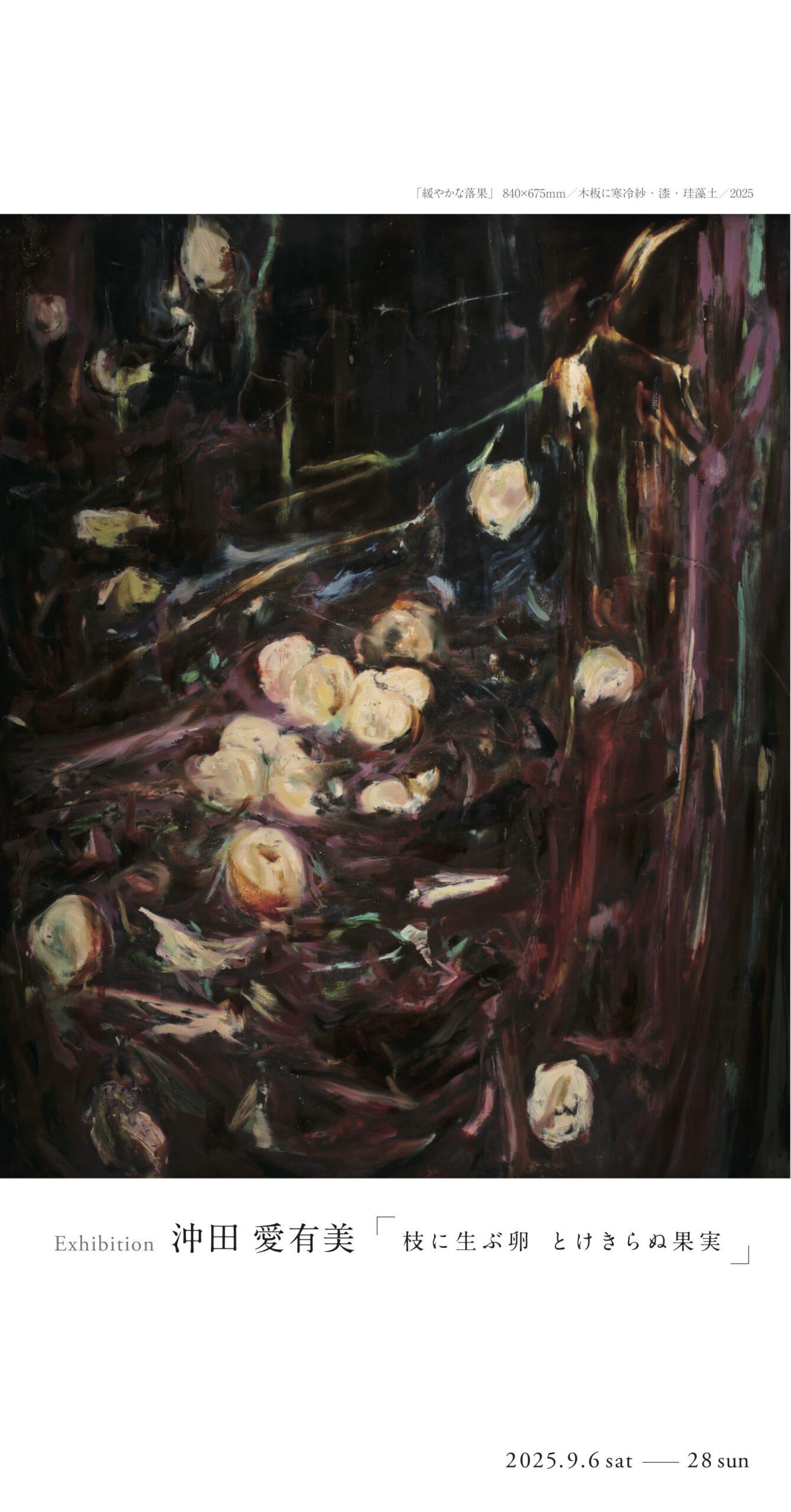
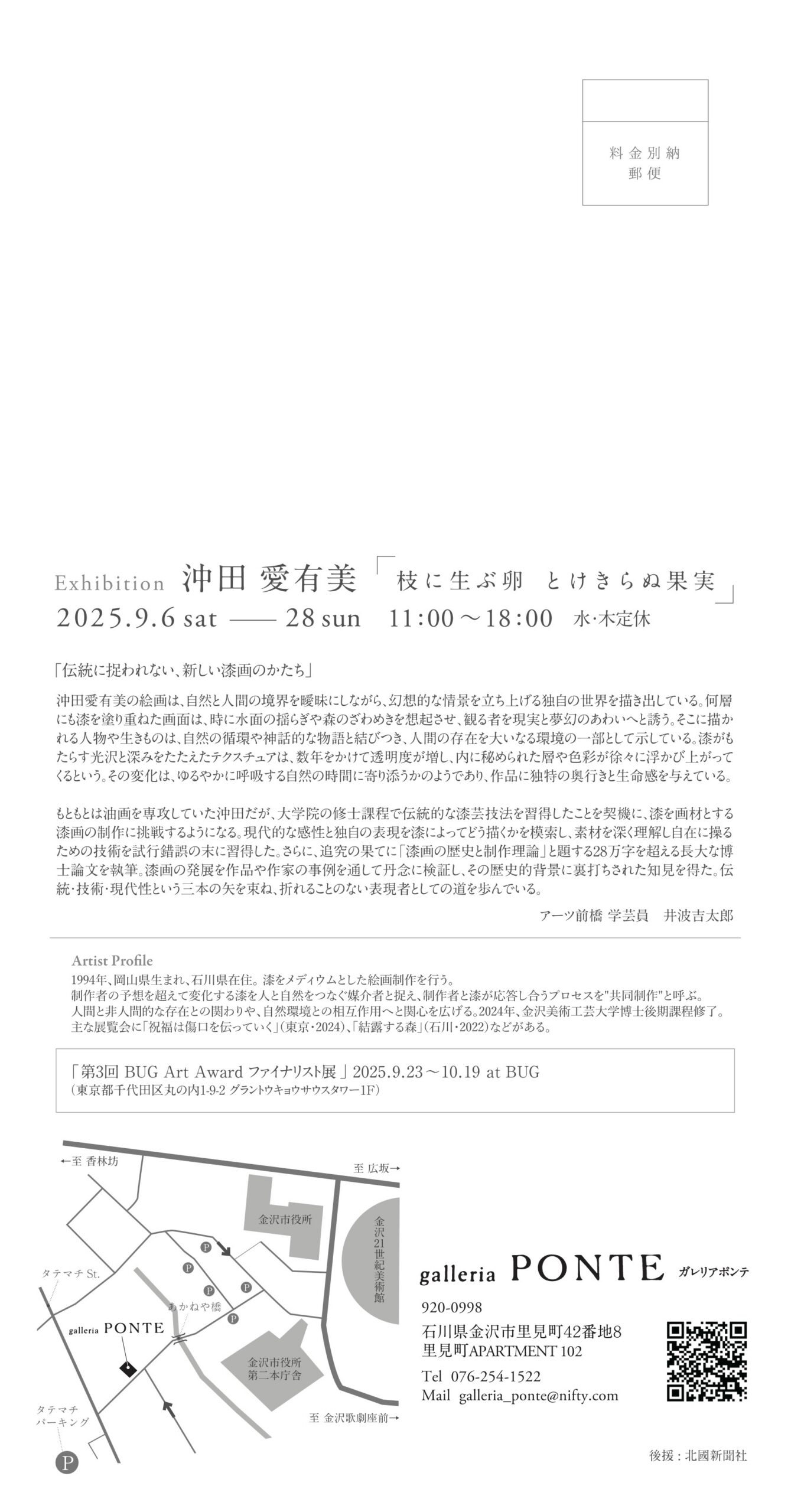
枝に生ぶ卵 とけきらぬ果実 [solo]
「枝に生ぶ卵 とけきらぬ果実」gallerìa PONTE、石川・金沢
| Date/ | 2025年9月6日(土) — 9月28日(日) 水・木定休 |
| Time/ | 11:00〜18:00 |
| Place/ | gallerìa PONTE (石川県金沢市里見町42−8 APARTMENT102) |
| HP/ | https://galleria-ponte.art.coocan.jp/2025/okitaayumi202509/okita2025.html |

2025.07
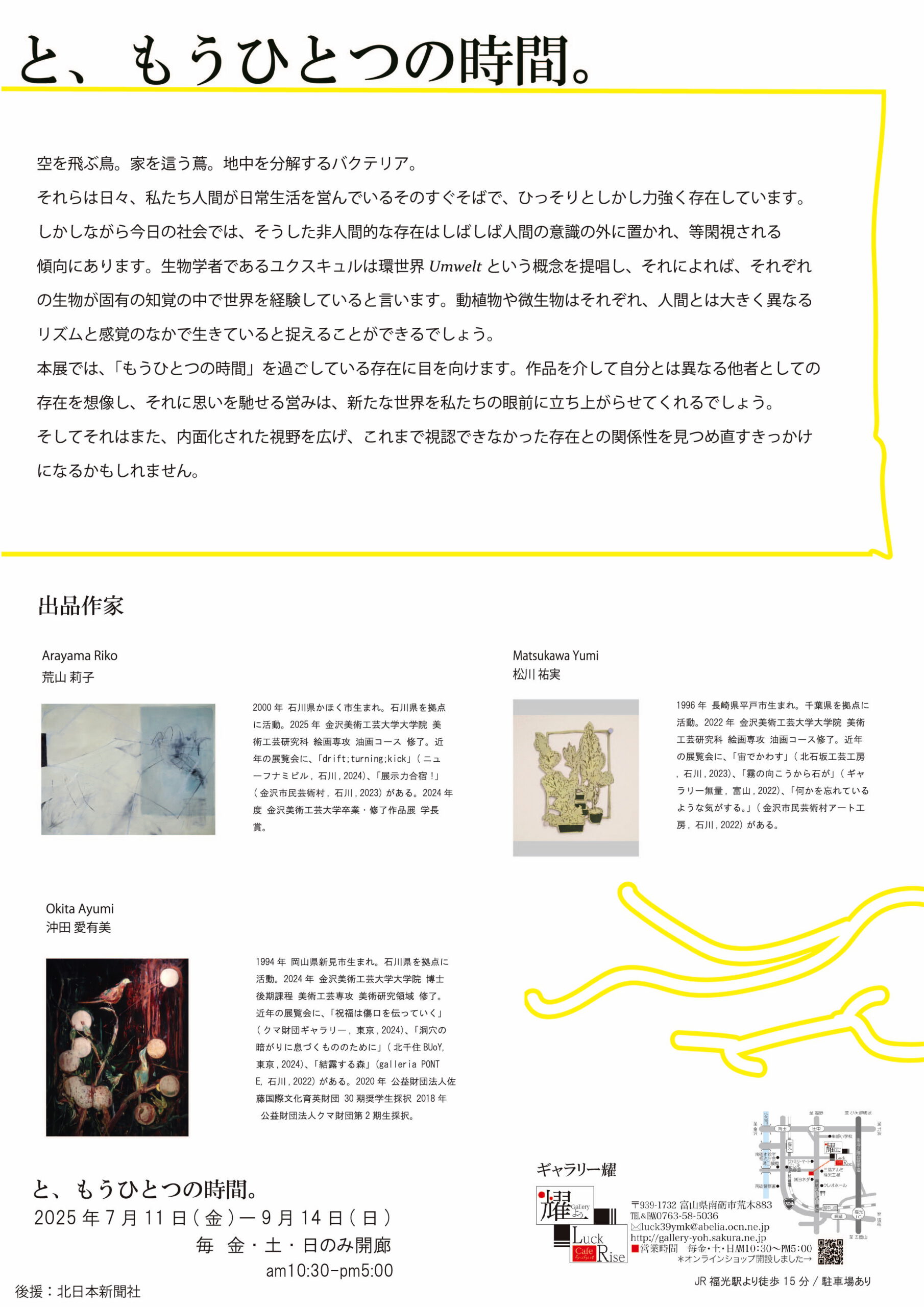
と、もうひとつの時間 [Group]
「と、もうひとつの時間」 ギャラリー耀、富山・南砺
| Date/ | 2025年7月11日(金)— 9月14日(日) 金・土・日 開廊10:00-17:00 |
| Artist/ | 荒山莉子 沖田愛有美 松川祐実 |
| Place/ | ギャラリー耀 富山県南砺市荒木883 |
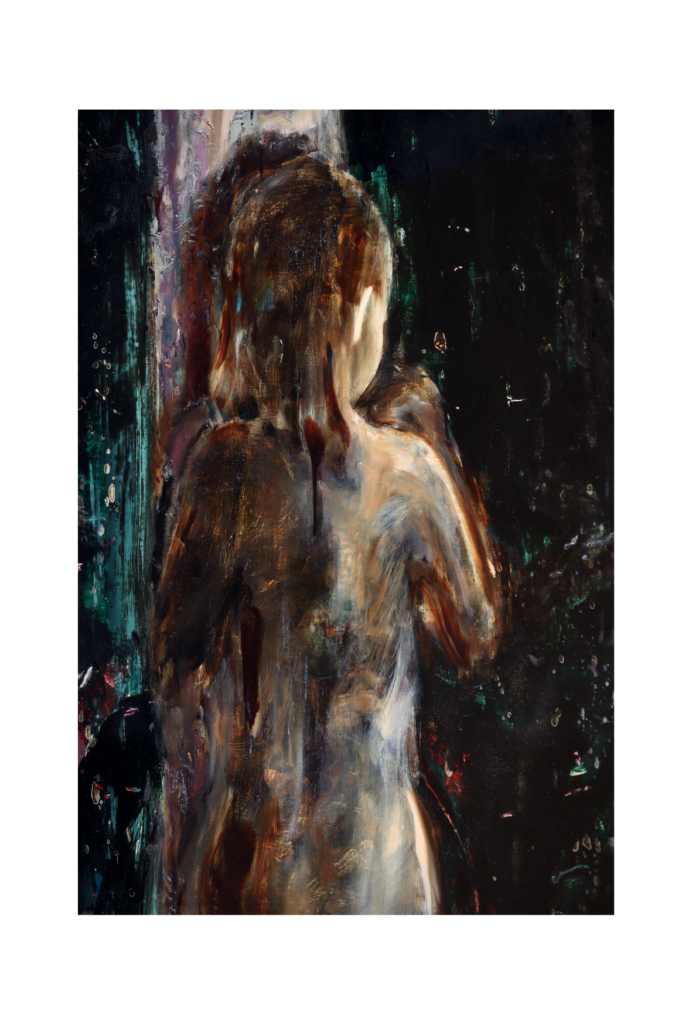
2025. 02
庭と秘密 [solo]
個展「庭と秘密」よふ葉、石川・金沢
| Date/ | 2025年2月4日(火) — 2025年3月1日(土) 17:00-22:00 定休 日曜・ 月曜 ✴︎下記の日程は昼間も開場いたします. 2. 15(土)、2. 22(土) 13:00— 22:00 2. 23(日)、2. 24(月) 13:00— 17:00 |
| Place/ | よふ葉 石川県金沢市本多町1-6-12 |
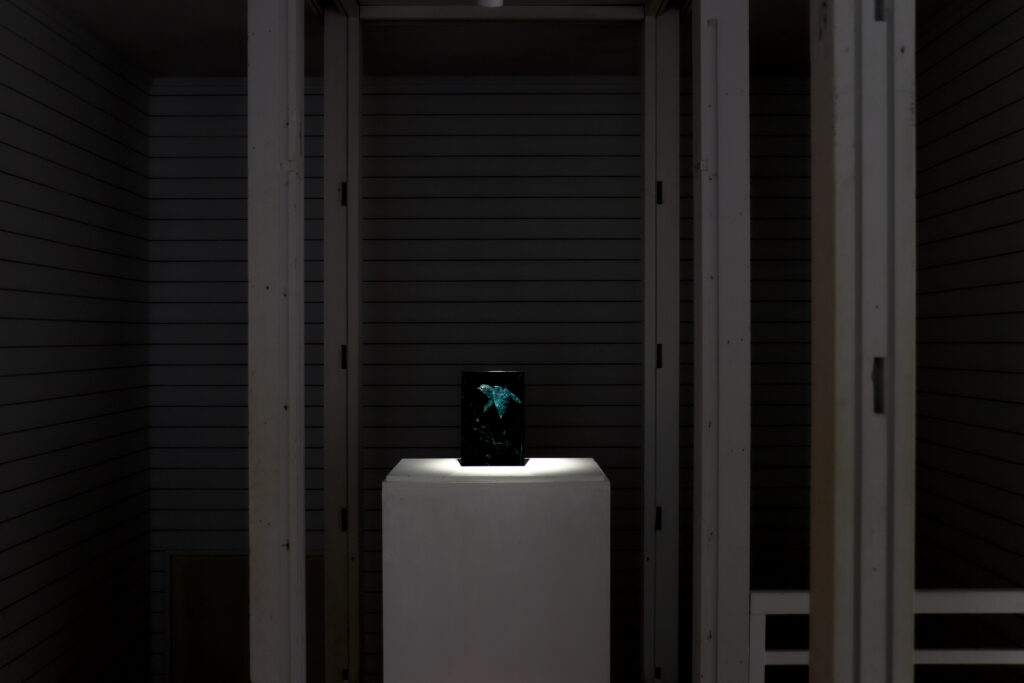
2024. 12— 2025. 1
暦を運び、種を食く [solo]
個展「暦を運び、種を食く」白鷺美術、石川・金沢
| Date/ | 2024年12月21日(土) — 2025年1月12日(日) 定休:12月23日(月)、1月1日(水)、2日(木)、6日(月) ※12月27日(火)は演奏会入場者のみ閲覧可。 |
| Time/ | 夜間 20時~24時、昼間 13時~18時 ※1月11日(土)、12日(日)のみ |
| Place/ | shirasagi 2F |
| HP/ | https://www.shirasagi-art.net/2024/11/19/ |
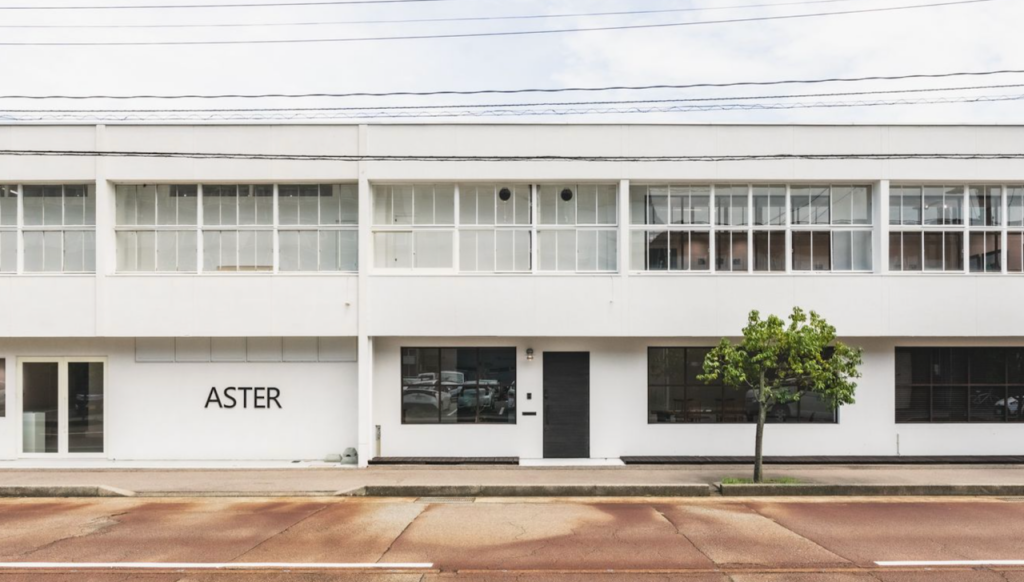
2024. 11
山本浩貴企画展 【 具象⇔抽象 】 [group]
グループ展「山本浩貴企画展 【 具象⇔抽象 】」ASTER Curator Museum 、石川・金沢
| Date/ | 11/30(土) — 3/30(日) 月・火休館 |
| Time/ | 11:00-18:00 |
| price/ | 500円 ※学生無料 |
| Supported by/ | アーツカウンシル金沢 |
| Place/ | ASTER Curator Museum (石川県金沢市問屋町1丁目99) |
| HP/ | https://aster-g.com/pages/172 |
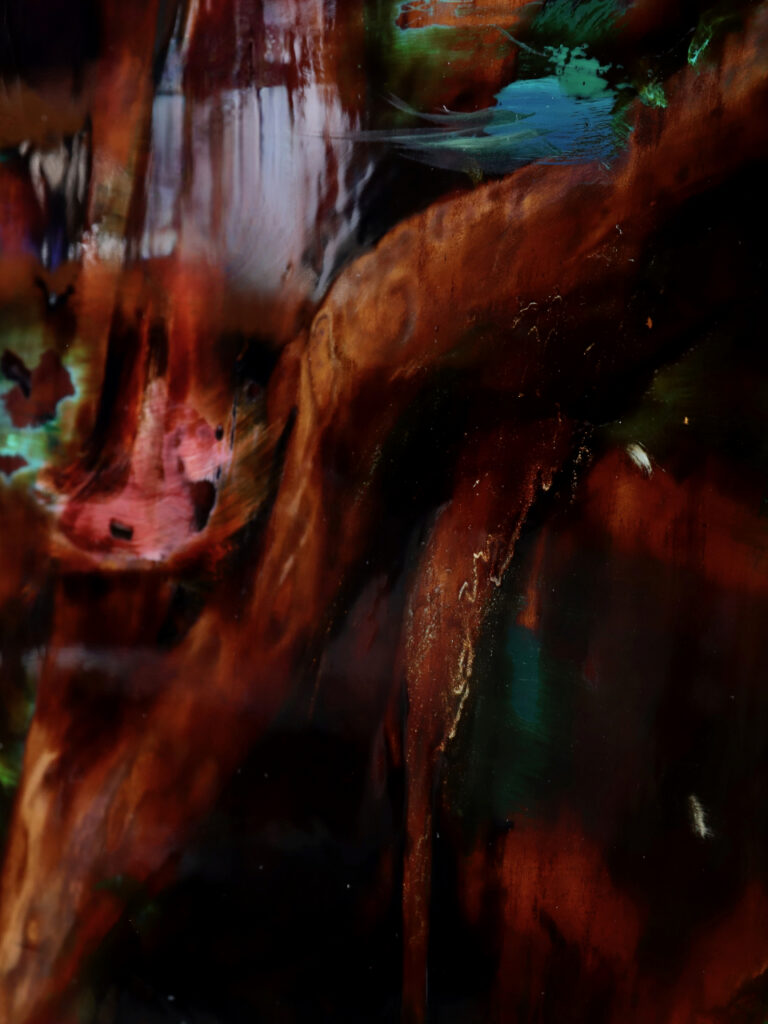
2024. 09
祝福は傷口を伝っていく [solo]
個展「祝福は傷口を伝っていく」クマ財団ギャラリー、東京・六本木[solo]
| Date/ | 2024年9月26日(木) — 9月30日(月) |
| Time/ | 12:00 – 19:00 ※最終日は17:00まで |
| Place/ | クマ財団ギャラリー(〒106-0032 東京都港区六本木7-21-24 THE MODULE roppongi) https://kuma-foundation.org/gallery/event/ayumiokita/ |
2024. 9— 12
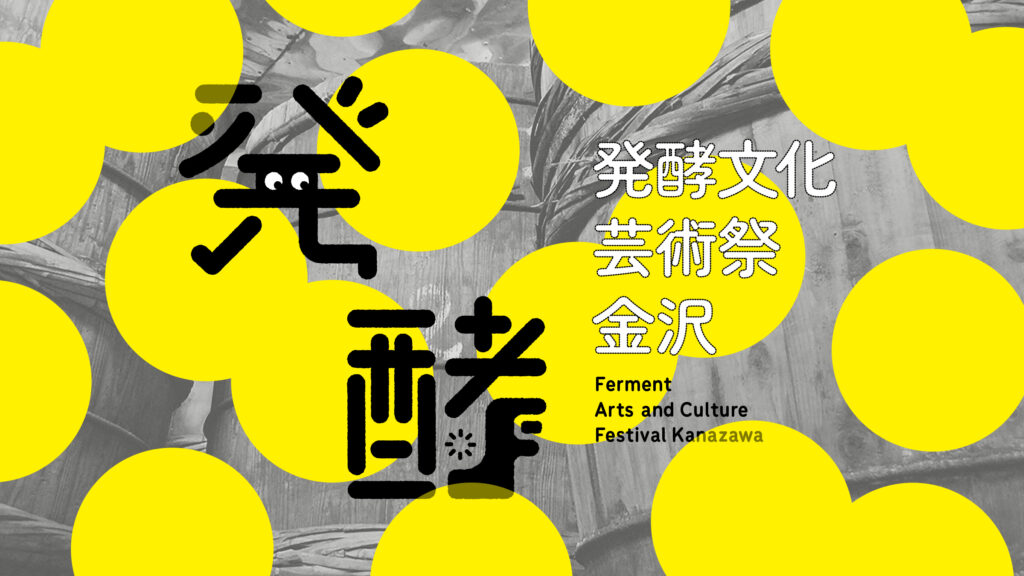
発酵文化芸術祭 金沢 ―みえないものを感じる旅へ― [Group]
「発酵文化芸術祭 金沢 ―みえないものを感じる旅へ―」鶴来エクスカーション、石川・金沢
| Date/ | 2024年9⽉21⽇(⼟) — 12月⽇(⽕) |
| Time/ | 『萬歳楽』本店:金曜日〜月曜日 10:00〜16:00 |
| Price/ | 一般 2,000円 / 大学生1,500円 / 小中高生 800円( ガイドブック付き) / 未就学児無料 |
| Place/ | 白山市鶴来エリア、『萬歳楽』本店にて展示します。(石川県白山市鶴来本町一丁目ワ47) 他会場についてはwebサイトやパンフレット等に詳細情報がございます。 |
| HP/ | https://fermenarts.com/ https://www.kanazawa21.jp/view.php?g=25&d=2078 |
2024. 9
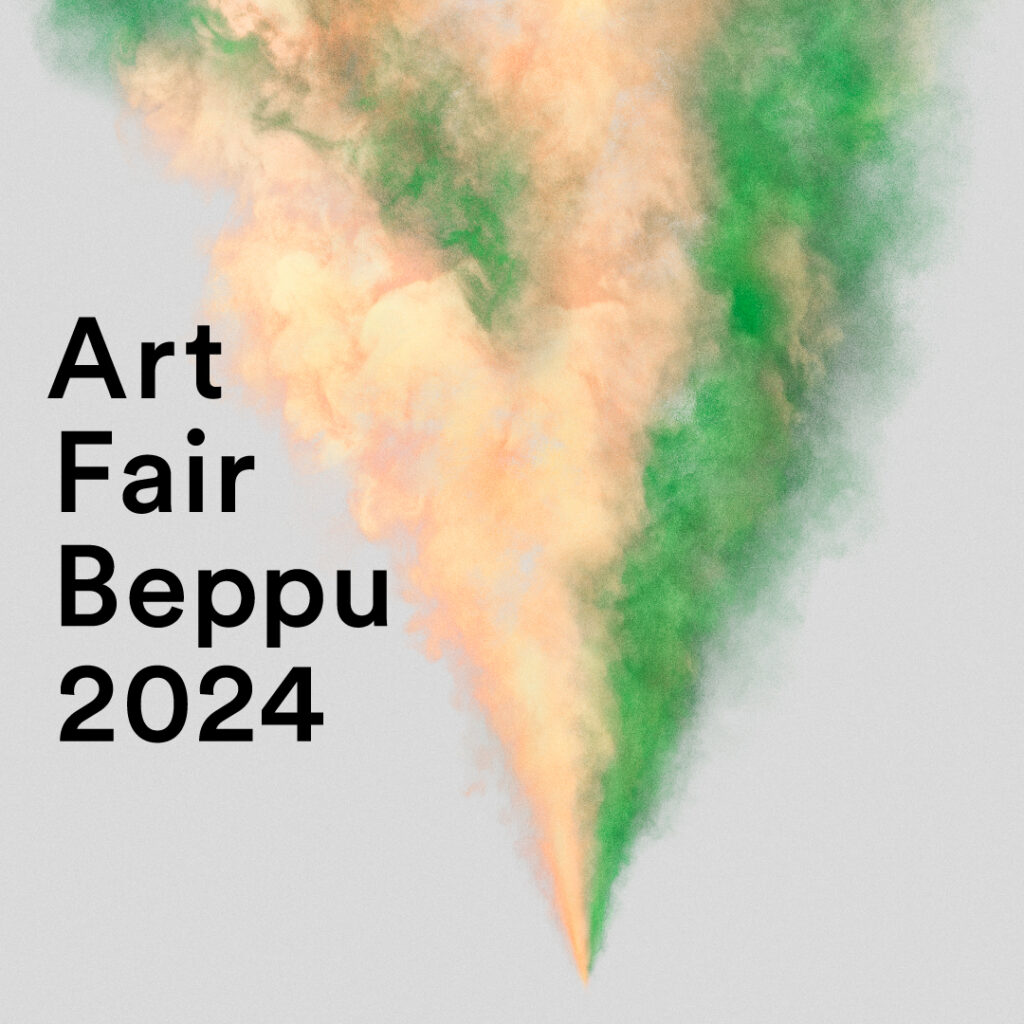
Art Fair Beppu 2024 [Fair]
「Art Fair Beppu 2024」、大分・別府
| Date/ | 2024年9⽉21⽇(⼟) — 24⽇(⽕) |
| Time/ | 9月21日(土) 13:00 ‒ 18:00 一般公開 9月22日(日) 11:00 ‒ 18:00 一般公開 9月23日(月) 11:00 ‒ 18:00 一般公開 9月24日(火) 11:00 ‒ 18:00 一般公開 |
| Place/ | 別府国際観光港 旧フェリーさんふらわあ乗り場(大分県別府市汐見町 9-1)にて展示予定。 他会場 Beppu Studio 01(大分県別府市楠町14-2 財前ビル1階)、 清島アパート( 大分県別府市大分県別府市末広町2-27) |
| Price/ | 通常チケット 前売1,500円/当日2,000円 わくわく! 別府市営温泉入浴券付きチケット 前売 1,700円/当日 2,200円 |
| HP/ | https://artfairbeppu.com/ |
-scaled.jpg)
2024.01
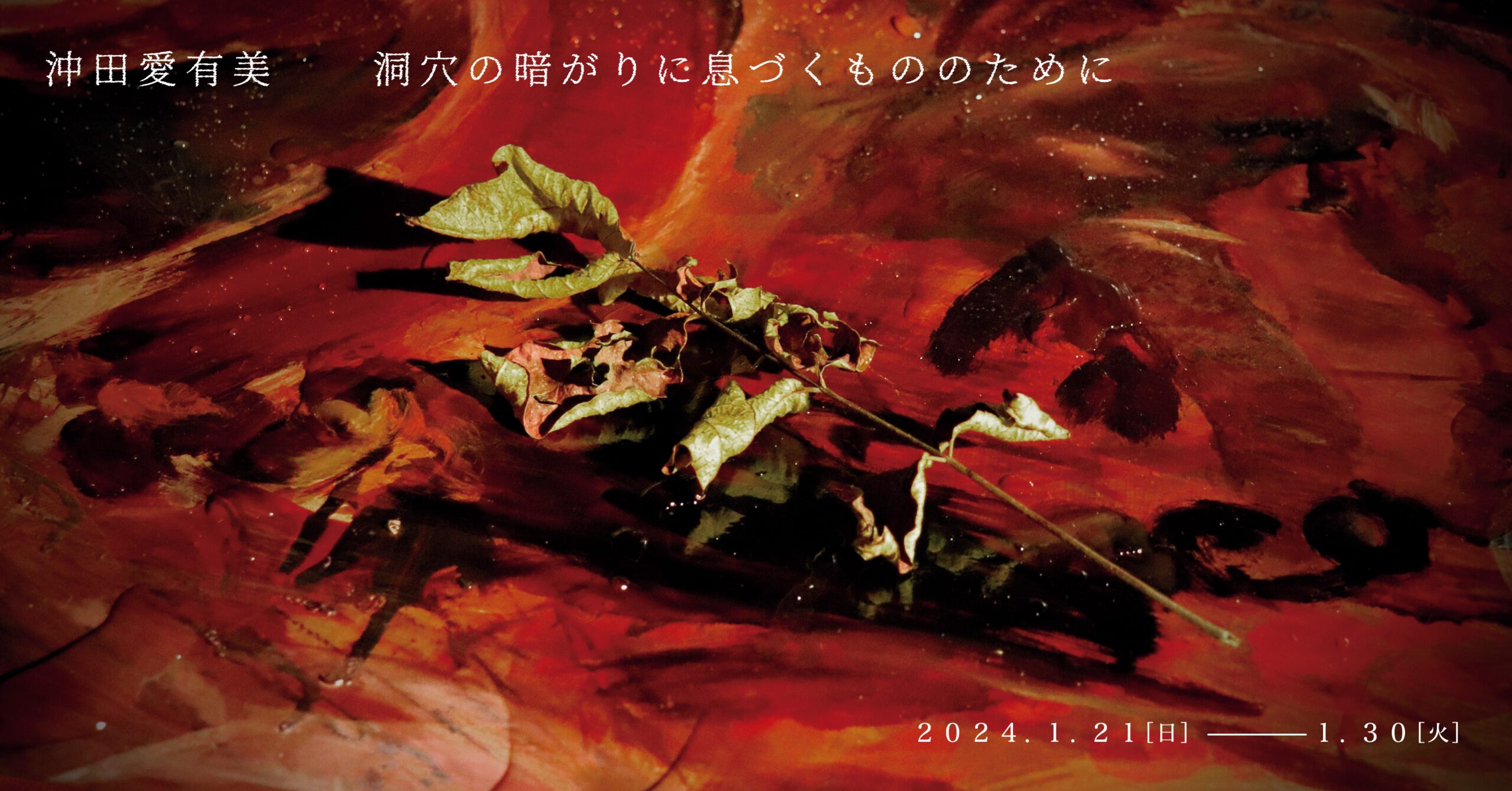
洞穴の暗がりに息づくもののために [Solo]
「洞穴の暗がりに息づくもののために」北千住BUoY・東京
| Date/ | 2024年1月21日(日) — 2024年1月30日(火) |
| Time/ | 月曜—金曜:14時〜19時、土曜・日曜:13時〜18時 ※最終日18時まで |
| Place/ | 北千住BUoY (〒120-0036 東京都足立区千住仲町49-11 2F) |
| 助成/ | 公益財団法人クマ財団 |
| HP/ | https://buoy.or.jp/program/2401212f/ |
.jpg)
.jpg)
2022.11
てのひらを掠めるもの [solo]
個展「てのひらを掠めるもの」金沢市安江金箔工芸館 [solo]
| Date/ | 2022年11月4日(金) —11月27日(月) 火曜休館 |
| Time/ | 9:30 — 17:00 (最終入館は16:30まで) |
| Price/ | 無料 |
| Place/ | 金沢市安江金箔工芸館 多目的ギャラリー (〒920-0831 石川県金沢市東山1丁目3−10) |
| HP/ | https://www.kanazawa-museum.jp/kinpaku/ |
ポンテDM表-scaled.jpg)
ポンテDM裏-scaled.jpg)
2024.01
結露する森 [solo]
個展「結露する森」gallerìa PONTE、石川・金沢
| Date/ | 2022年7月23日(土) — 8月8日(月) 木曜休廊 |
| Time/ | 11:00 — 18:00 |
| Place/ | gallerìa PONTE (〒920-0998 石川県金沢市里見町42−8 APARTMENT102) |
| HP/ | https://galleria-ponte.art.coocan.jp/index.html |